

The History of the Dakimakura: From Japan to Global Otaku Culture
- Dakimakura simply means hug pillow in Japanese, and it was a plain sleeping cushion long before any anime character was printed on one.
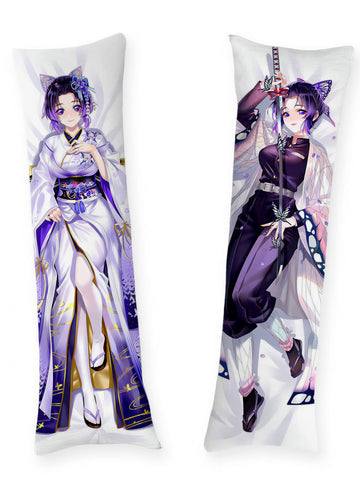
- Character prints spread out of doujin circles and conventions from the 2000s onward, with a different pose of the same character on each side of the cover.
- Western fans picked up the trend through imports, forums and conventions, and dakimakura are now a normal part of collecting for anime, game and vtuber fans everywhere.
Long before a single anime character was ever printed on one, the dakimakura already existed in Japan as a plain hug pillow, the kind of long cushion someone tucks an arm and a leg around while sleeping on their side. The version most fans know today, a printed fabric cover zipped over a separate insert, is a much newer layer on top of that old idea. Here is how a household comfort item turned into one of the most recognizable pieces of otaku culture.
If you are shopping for one right now rather than reading about its past, our full dakimakura collection covers every character and franchise currently in print, and our dakimakura guide walks through sizes and materials in more detail.
What Dakimakura Actually Means
The word comes from the Japanese verb daku, to embrace or hold, and makura, pillow. Put together, it simply describes a pillow you hug, nothing more specific than that. In Japan the term still commonly refers to the plain version, a long body pillow used for comfort and support while sleeping on your side, the same idea behind our own inner pillow insert. The printed anime cover that most fans picture when they hear the word is a specific style built on top of that everyday meaning, not the original one.
From Plain Pillow to Fan Art Canvas
Character printed covers grew out of doujin culture, the world of fan made and small circle publishing that has powered a huge share of Japanese fandom output for decades. Artists began applying original and licensed character illustrations to pillow covers, one pose on the front and a different pose on the back, so a fan could display and hug a favorite character at the same time. This took off alongside the wider boom in anime merchandise such as figures, keychains and plushies. Long running franchises like Naruto and Dragon Ball were part of that early wave of fan made goods, and both are still printed and sold today.
Comiket, Conventions and the Collector Boom
Conventions were the marketplace where this trend actually spread. Comiket, the massive fan convention held in Japan, gave small circles a place to sell a print run of a few hundred covers directly to fans, and popular designs quickly became sought after once the run sold out. That scarcity built a real collector culture around dakimakura, with fans tracking which character designs were licensed versus fan made, which circles were known for their art quality, and which prints from past events were getting harder to find. That same collector instinct still shows up at anime conventions worldwide today.


The Word Crosses the Pacific
As anime streaming, importers and online fan communities grew through the 2000s and 2010s, the merchandise traveled west, and the word dakimakura traveled with it. English language forums argued over the term, shared photos of their covers, and folded the concept into the wider vocabulary of fandom devotion, the same conversations that shaped how fans use a word like waifu today. What had been a niche Japanese fan product became something western anime and game fans requested by name from importers and, later, from dedicated online stores.
Dakimakura timeline at a glance
Plain hug pillows are used in Japan for comfort while sleeping on your side. No prints, no characters.
The first Comic Market is held in Tokyo, a small fan event that grows into the biggest doujin marketplace in the world.
Comiket moves to the newly opened Tokyo Big Sight, where it still runs every summer and winter.
Character printed covers spread through doujin circles and conventions, with a different pose on each side.
Importers, forums and conventions carry the word dakimakura to western fans.
Online stores print covers for anime, game and vtuber fans worldwide. Our own catalog holds more than 1,400 designs.
The Collector Scene Today
Modern covers still follow the format that doujin circles settled on decades ago: two poses of the same character, one per side, printed on fabric that slides over a separate insert. The catalog today spans long running shonen hits like Attack on Titan and Demon Slayer, older cult favorites such as Evangelion, and dedicated waifu and husbando lines built around fan favorites rather than a single show. A rotating best selling list tracks which characters current shoppers want most, which is really the same collector instinct that drove sellouts at conventions decades ago, just moved online.

Frequently Asked Questions
Is dakimakura just a Japanese word for body pillow?
Yes and no. Dakimakura literally means hug pillow, and in Japan it still commonly refers to plain body pillows, not only printed anime covers. The printed version fans know internationally is a specific, newer style layered on top of that everyday meaning, not a separate word.
When did anime character prints start appearing on dakimakura?
Character printed covers grew out of doujin culture and spread through conventions from the 2000s onward, alongside the wider boom in anime merchandise like figures and plushies. What began as a small fan project became a mainstream category within otaku collecting within a decade or two.
Why do dakimakura covers almost always show two different poses?
Printing a different pose of the same character on each side lets the cover look good from either side once it is over an insert, and it gives fans twice the art from a single purchase. That layout has stayed the standard since the format first spread beyond doujin circles.
Keep exploring
- Dakimakura, Wikipedia
- Comiket, Wikipedia
- Tokyo Big Sight, Wikipedia
- Header photo: Guilhem Vellut from Paris, France, CC BY 2.0 via Wikimedia Commons
- Event photos from Wikimedia Commons under Creative Commons licences, credited under each image. Pillow photos and prices: Anime Body Pillow product pages, October 2026.
Anime Body Pillow, dakimakura covers for anime fans, online only.


Leave a comment